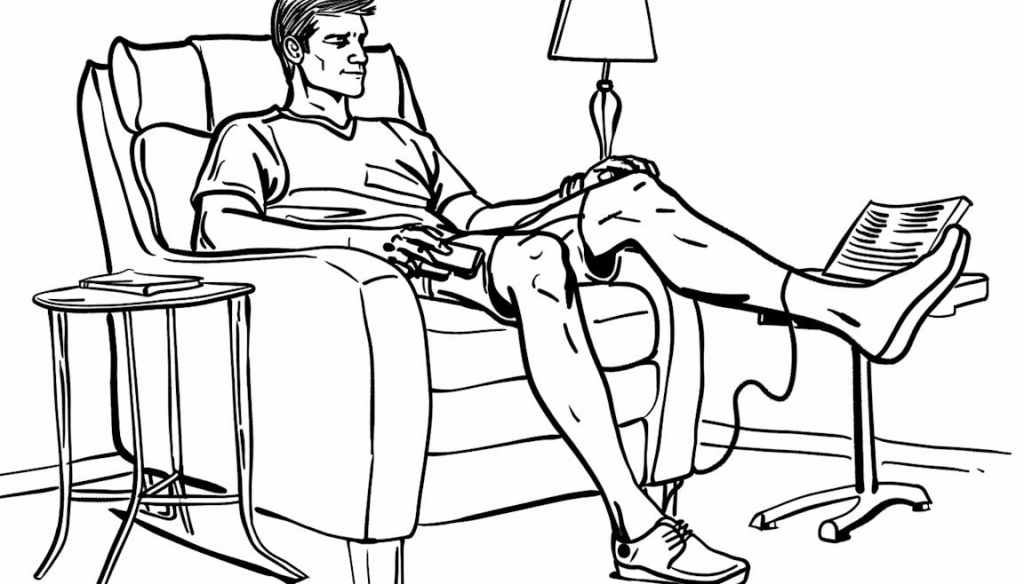
Embarking on a new fitness journey is exciting, but it often comes with its fair share of aches and pains, commonly known as Delayed Onset Muscle Soreness (DOMS). This muscle soreness is a natural response to the stress placed on muscles during exercise, particularly if you’re engaging in workouts that your body isn’t used to. Here are effective strategies for managing DOMS, incorporating supplements, treatments, and workout tips to help beginners push through the pain and keep progressing.
Understanding DOMS
DOMS typically occurs 24-48 hours after a new or intense exercise session and can make movement stiff and painful. It is caused by microscopic tears in the muscle fibers. While it can be uncomfortable, it’s a sign that your muscles are adapting to your fitness regimen.
Supplements for Relief
- Magnesium: This essential mineral helps with muscle contraction and relaxation. It can reduce muscle soreness and improve recovery speed. Consuming magnesium through diet or supplements can help alleviate the symptoms of DOMS.
Treatments to Ease Muscle Soreness
- Hot Salt Baths: Soaking in a warm bath with Epsom salts (magnesium sulfate) can help soothe sore muscles and reduce inflammation. The heat helps dilate blood vessels and improve circulation, which aids in muscle recovery.
- Massage Guns: These devices offer a form of percussive or vibration therapy that can significantly alleviate muscle stiffness and reduce soreness. By targeting specific muscle groups, massage guns help to break down knots and increase blood flow.
The Importance of Persistence and Progressive Overload
For fitness beginners, the key to overcoming DOMS is consistency. Continuing with your workout routine, even when experiencing soreness, sends signals to your body to adapt and strengthen.
- Start Slow: Begin with low-intensity workouts and gradually increase the intensity as your body adapts. This approach reduces the severity of DOMS and lessens the likelihood of injury.
- Progressive Overload: Gradually increasing the weight, frequency, or duration of your workouts is crucial. This principle is essential for continuous improvement in strength and endurance over time.
Why Keep Going Matters
The best way to beat DOMS is to keep moving. Light exercise, such as walking or gentle stretching, can increase blood flow and is more beneficial than complete rest, helping to reduce soreness faster.
Tips for Managing and Preventing DOMS
- Warm Up and Cool Down: Properly warming up before exercising and cooling down afterward can prepare your muscles for the workout and aid in recovery, reducing the likelihood of DOMS.
- Hydration and Nutrition: Staying hydrated and consuming a balanced diet rich in proteins, healthy fats, and carbohydrates can help repair muscle tissues and fuel muscle recovery.
- Listen to Your Body: While it’s important to be consistent, it’s equally crucial to listen to your body. If pain persists or worsens, allow more time for recovery to prevent injuries.
Final Thoughts
DOMS can be a daunting hurdle for beginners, but with the right strategies, it can be managed effectively. Incorporating supplements like magnesium, using treatments such as hot salt baths and massage guns, and adopting a gradually progressive workout routine can help you stay on track. Remember, persistence is key, and each workout brings you one step closer to your fitness goals.
 Inox Vale
Leave a comment