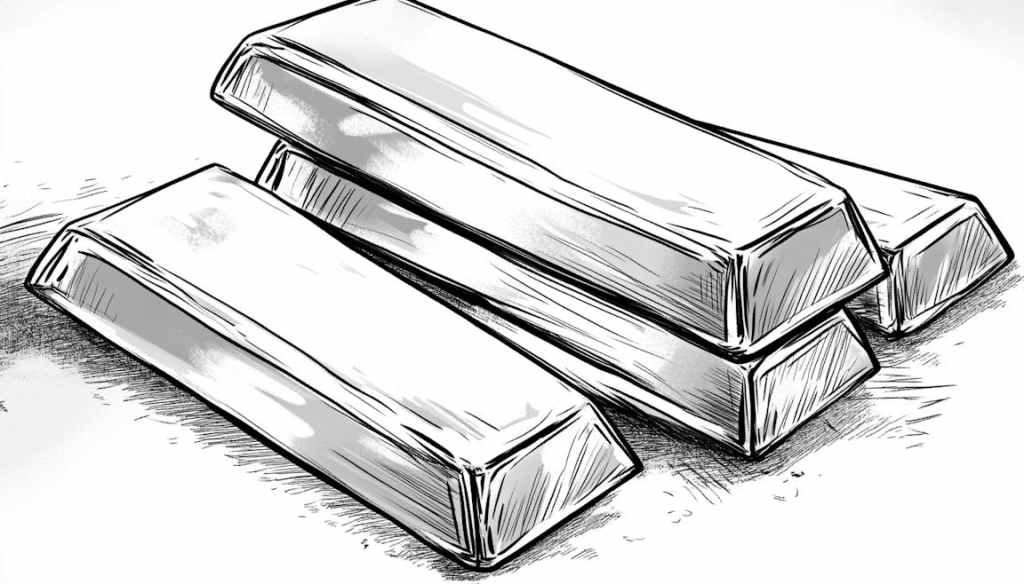
Precious metals like gold and silver have been revered for centuries as stores of value. They’re often touted as “safe havens” in uncertain times, providing a level of stability when other assets, like stocks or currency, fluctuate. However, unlike traditional investments meant to generate returns, saving in precious metals serves more as a savings mechanism—an approach to preserving wealth rather than growing it. Here, we’ll discuss the role of precious metals in a balanced portfolio, the pros and cons of using them as a savings tool, and when they might not be the best choice.
Why Precious Metals Aren’t “Investments” in the Traditional Sense
While precious metals can increase in value, they don’t generate income or dividends, and they don’t have the same potential for growth as a business or real estate development. When you invest in a business, you’re generating profits through activity; land development, too, adds value and can yield significant returns. In contrast, precious metals preserve value rather than grow it. Think of them as financial insurance—something that protects your wealth during economic downturns or inflationary periods.
The Pros of Saving in Precious Metals
- Protection Against Inflation: Precious metals hold value over time, often rising when inflation erodes the purchasing power of cash. As prices increase, the value of gold and silver generally follows, protecting your wealth.
- Portfolio Diversification: Adding precious metals to your portfolio spreads risk. When traditional assets like stocks or bonds are volatile, metals often provide a counterbalance, helping to stabilize overall wealth.
- Tangible Asset: Unlike stocks or digital investments, gold and silver are physical assets. You own something real and tangible, which can provide a sense of security and trust.
- Liquidity: Precious metals are highly liquid, meaning they’re relatively easy to buy and sell. Gold and silver are widely recognized as stores of value, so you can typically access cash when needed.
- Protection Against Geopolitical and Economic Uncertainty: In times of global economic instability, people often flock to gold and silver for security, driving up demand and preserving wealth. Precious metals act as a hedge when there’s uncertainty in other markets.
The Cons of Saving in Precious Metals
- Lack of Income: Precious metals don’t generate income or dividends. If you’re looking for cash flow or growth, metals won’t deliver like stocks, bonds, or a business.
- Storage and Security Costs: Physical metals need secure storage, whether it’s in a safe at home or a professional vault, which can come with additional costs.
- Market Volatility: While often seen as stable, precious metal prices can also be volatile, especially in the short term. They may not always perform as expected when other assets fall, and it’s not a guarantee of price stability.
- Limited Growth Potential: Precious metals don’t increase in value the way a business or real estate can. Over the long term, they generally retain purchasing power rather than appreciate significantly.
- Capital Gains Tax: In some countries, capital gains from the sale of precious metals are taxed, potentially reducing the net return when you sell.
Situations Where Precious Metals Might Not Be the Right Choice
- You’re Seeking Rapid Growth: If your goal is to grow your wealth significantly over time, investing in a business or real estate development is typically more effective. Precious metals provide stability, not high growth.
- You Need Immediate Cash Flow: If you rely on regular income from your investments, precious metals aren’t suitable since they don’t produce dividends or yield.
- You Don’t Have Secure Storage: Precious metals require safe storage, whether in a bank or a secure home setup. Without proper storage, the risk of theft could outweigh the benefits.
- You’re New to Saving and Investing: If you’re just starting, you might benefit more from building a portfolio of diversified investments that generate income and have growth potential. Precious metals might be best as a complement to other investments once you’re financially stable.
- You Have a Short-Term Financial Goal: Precious metals are more suited for long-term preservation. If you need money in the short term, you may be better off with liquid savings in cash or investments with predictable returns.
Final Thoughts
Precious metals play a unique role in preserving wealth rather than growing it, making them an excellent complement to a diversified portfolio that includes assets like businesses and real estate. For those focused on building wealth or achieving specific financial goals, metals can act as a buffer during economic downturns or inflationary periods but shouldn’t be relied upon as the main driver of financial growth.
Ultimately, precious metals aren’t for everyone, but for those with long-term goals and a desire for financial stability, they can provide peace of mind and serve as an important pillar of financial resilience. Remember, balance is key, and adding metals to your portfolio should align with your overall financial strategy and personal goals.
 Inox Vale
Leave a comment